Quarterly Insights: July 2026

War, the Changing Shape of AI, and the New Fed Mandate
From renewed unrest in the Middle East to growing questions about the artificial intelligence boom, the investment landscape remains complicated. Judging by today’s elevated valuations, investors appear willing to look past these risks. While that optimism may prove justified, the recent leadership change at the Federal Reserve adds a level of uncertainty markets have not faced in years. A less communicative and more narrowly focused Fed would mark a meaningful departure from the institution that investors have come to know—one that has often stepped in to calm markets.
A lot hangs in the balance. But even if the market vacillates between exuberance and anxiety, our approach remains steady. In this letter, we outline the major forces shaping today’s market and our perspective on how to navigate them.
1. A Peace That Couldn’t Hold
One immediate concern is geopolitics. The ceasefire reached between the United States and Iran in April has proven fragile, which is not surprising given the unresolved issues surrounding Iran’s nuclear ambitions and freedom of navigation in the Strait of Hormuz. After Iran’s renewed attacks on commercial vessels, the United States reimposed restrictions on Iranian oil sales and launched additional strikes against key weapons infrastructure. Oil prices rose in response.
Higher oil prices complicate the inflation outlook at a time when markets are looking for clearer signals from the Fed on interest rates. U.S. capital markets have historically recovered well from geopolitical shocks, but the path can be uncomfortable, especially when stock valuations are already high.
2. The AI Buildout: Sticker Shock, Hidden Leverage, and Shifting Customer Needs
At the same time, investors are reassessing the AI trade. The technology continues to advance rapidly, and we believe that AI will bring meaningful innovations in how we live and work. But promise alone cannot sustain markets, and the scale of AI investment creates equally large expectations for returns.
Amazon, Alphabet, Meta, and Microsoft alone are on track for roughly $600 billion of AI-related spending this year. As these businesses represent the most cash-rich enterprises the world has ever seen, it’s telling (and worrying) that a significant portion of the buildout is being fueled by corporate debt, much of which is held off the balance sheet.
Compounding the issue, businesses are experiencing a reality check. Many are finding that off-the-shelf models, like Claude and ChatGPT, are not well suited to complex workflows. To become useful, these tools often need ongoing human oversight, requiring significant time and expense. Further, businesses are becoming leery of surrendering their proprietary knowledge to AI labs that might then use that data to compete with them. Consider examples such as defense contractors whose servers house valuable weapons designs, or specialty foods companies that are protective of their flavor systems. In response, many enterprises are exploring open-source models, which offer comparable utility, greater flexibility, and better data protection at a significantly lower cost.
If AI capabilities become increasingly commoditized, pioneers like Anthropic and OpenAI may struggle to charge high enough prices to recoup their soaring costs. And if major AI developers are forced to scale back their demand for compute, the effects could be widely felt, given how important data-center spending has become to economic growth and market sentiment.
3. Speculative Anchors
The recent market rally also deserves closer scrutiny. While the major indices have hovered around record highs, much of the underlying strength has come from companies that are unprofitable, highly leveraged, or capital-intensive. Certainly, rallies like this can last longer than fundamentals suggest they can, particularly when investors expect easier monetary policy. But markets led by weaker balance sheets and distant-profit stories are inherently fragile.
In our experience, durable long-term returns tend to come from companies that can fund their own growth, protect margins, and compound capital across a full market cycle. When speculative companies lead the market, it is usually a reason to become more selective, not more aggressive.
4. The Warsh Fed
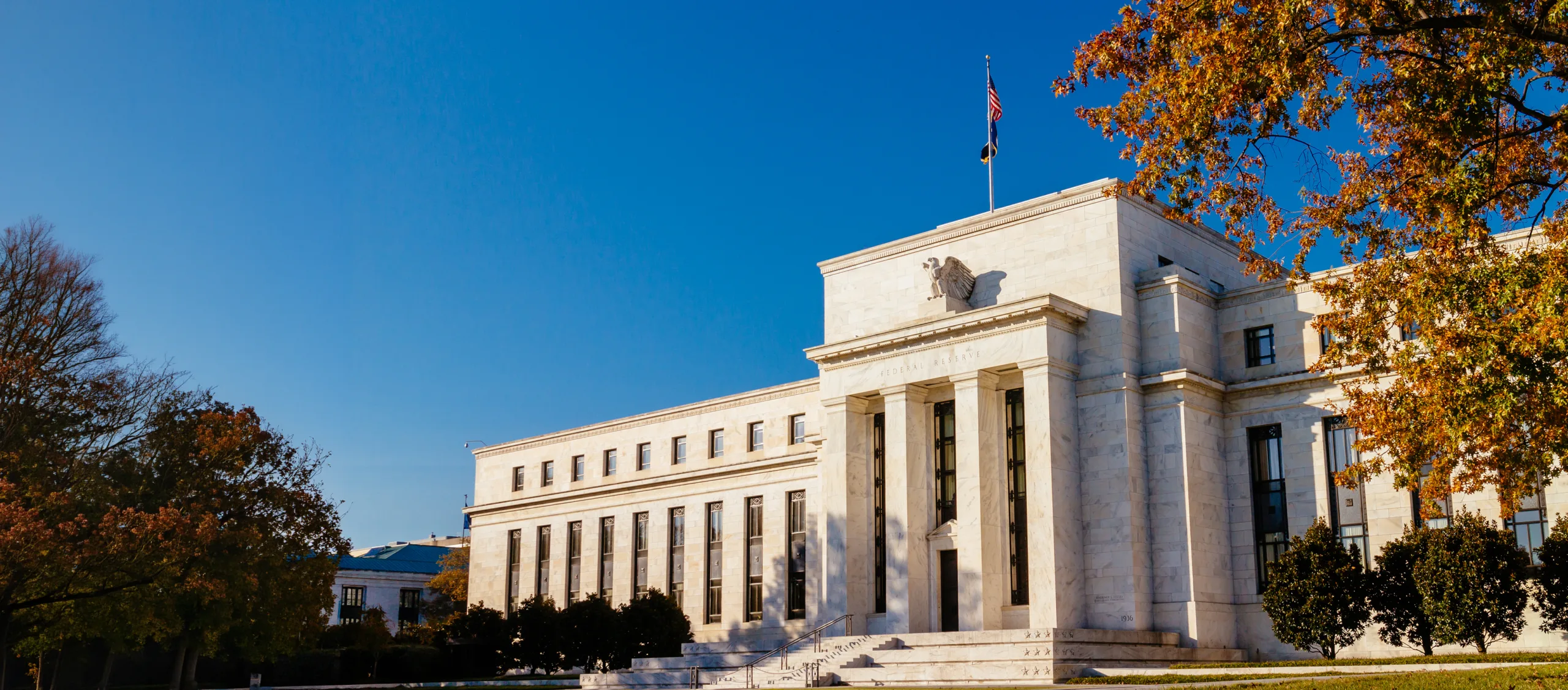
A potential shift at the Federal Reserve amplifies these crosscurrents. New Fed Chair Kevin Warsh, a recognized inflation hawk, favors returning the central bank to a more focused role.
For decades, the Fed has used guidance to shape market expectations. In practice, this has reassured investors that policy support will be available during periods of financial stress. A Warsh-led Fed appears more likely to shorten policy communications and leave asset pricing to market forces. The same philosophy may extend to the Fed’s balance sheet. The bank has been willing to serve as a backstop for financial markets, including with the use of emergency facilities to purchase riskier assets, and may shift back to a limited mandate with far less of a market footprint.
A more restrained Fed erodes an important psychological safety net. Markets can still function well, but prudent investors may demand a higher risk premium than they have in recent years.
Looking Ahead with Confidence
While these forces give investors plenty to consider, markets have never been free of systemic worries. The wrong response would be to search for someplace to “hide out” until the bad news passes.
We feel confident in the portfolios we manage, which consist of strong businesses that may be cast aside simply because they lack the flash of today’s market favorites. Investment discipline matters most when enthusiasm is highest, and that means challenging conventional wisdom when it diverges from underlying realities.
The above information is for educational purposes and should not be considered a recommendation or investment advice. Investing in securities can result in loss of capital. Past performance is no guarantee of future performance.